ByJohn A
Custom Rooflights: How to Choose the Right Design for Your Home
Natural daylight can change the feel of a room, making it appear brighter, more spacious and more welcoming. Roof glazing offers a practical way to bring sunlight into areas that receive little light through conventional windows, including extensions, loft conversions, kitchens and internal living spaces. The right design depends on the building’s structure, the room’s purpose and the amount of daylight required. Exploring custom rooflights can help homeowners find glazing options that suit their available roof space, architectural style and everyday needs.
Why Rooflights Are Worth Considering
Rooflights allow daylight to enter from above, which can be particularly useful in rooms where neighbouring buildings, boundary walls or the position of the property limit natural light. They can create a brighter atmosphere without requiring additional wall space for conventional windows.
In a kitchen extension, a rooflight can illuminate worktops and dining areas. In a converted loft, it can make the room feel less enclosed. A rooflight above a hallway or landing can also reduce the need for artificial lighting during daylight hours.
The benefits depend on the design and placement. A poorly positioned rooflight may introduce excessive heat or glare, while an appropriately specified unit can improve comfort throughout the year. Homeowners should consider daylight, ventilation, insulation and the orientation of the roof before choosing a product.
Choosing the Right Rooflight Design
Different rooflight styles suit different buildings and roof structures. Flat rooflights are commonly installed on extensions, garages and other buildings with flat or low-pitched roofs. They typically feature a glazed unit fitted into a raised kerb or compatible mounting system.
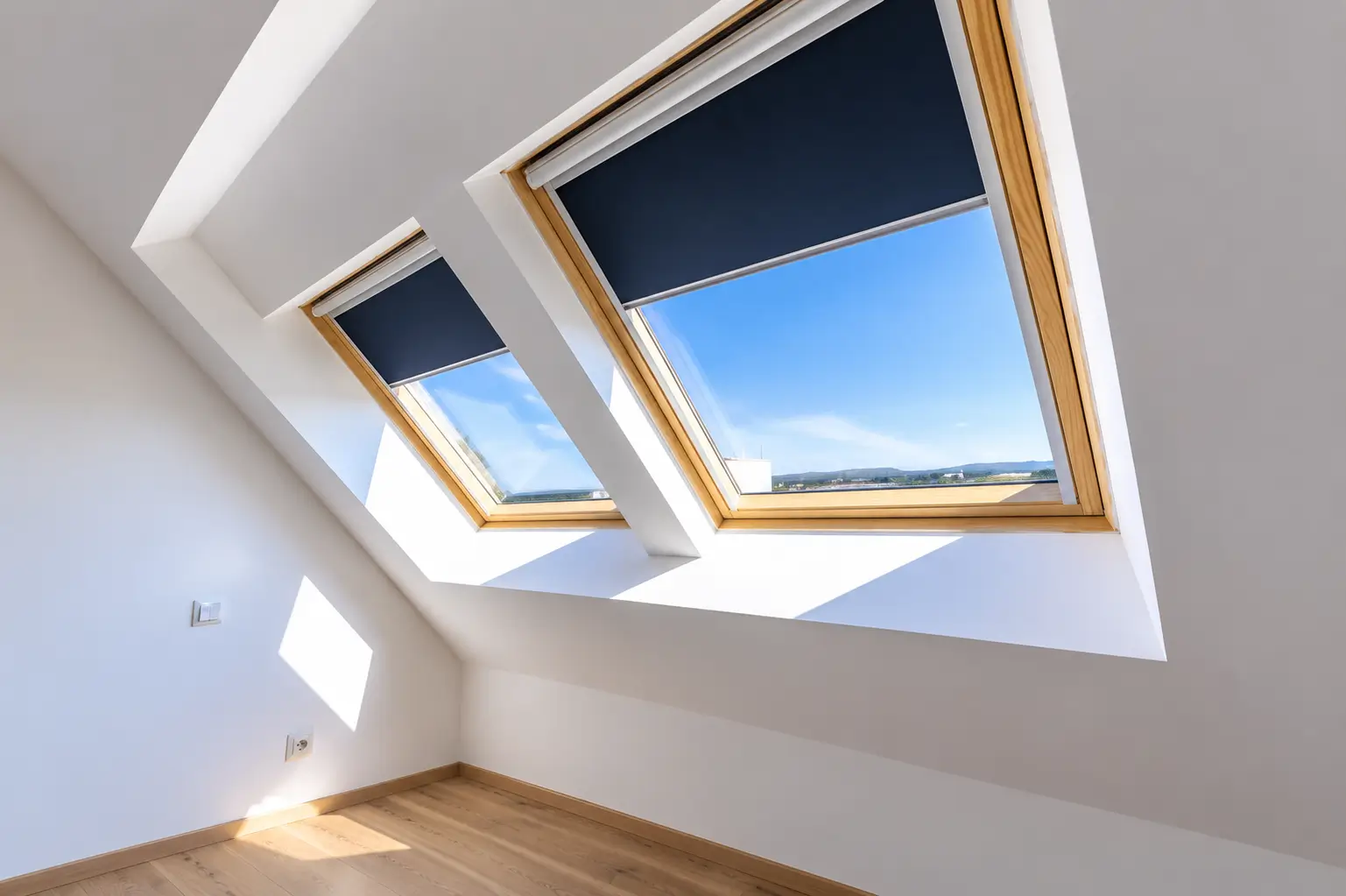
Pitched rooflights are designed for sloping roofs and can complement loft conversions, pitched extensions and traditional properties. Their installation requirements depend on the roof covering, angle and supporting structure.
Walk-on rooflights are another option for projects where glazing forms part of an accessible terrace or floor area. These products require specific load-bearing performance and professional installation. Standard roof glazing should never be assumed suitable for foot traffic.
Frameless or minimally framed designs may appeal to homeowners seeking a clean architectural appearance. However, appearance should not outweigh practical requirements. Glass specification, frame materials, drainage, weather resistance and thermal performance all influence the suitability of a rooflight.
Before selecting a style, measure the available opening and discuss the design with a qualified installer. This helps establish which products will work with the existing structure and whether additional building work is needed.
Understanding Glass, Insulation and Energy Efficiency
Glazing specification affects comfort, energy consumption and the amount of light entering a room. Double glazing and triple glazing offer different levels of thermal performance, depending on the glass, spacer, coatings and sealed unit construction.
Low-emissivity coatings help reduce heat transfer through the glass. Some rooflights also use solar-control glazing to limit unwanted solar heat gain, which can be beneficial in rooms that receive strong sunlight during warmer months.
The frame matters too. A well-insulated frame and properly sealed installation can reduce heat loss and help prevent draughts. Homeowners should compare the declared U-value of the complete rooflight rather than relying solely on the glass specification. A lower U-value generally indicates better insulation.
Condensation deserves attention, particularly in kitchens and bathrooms where humidity levels can rise. Adequate ventilation, appropriate indoor humidity and correct installation help manage moisture. Good insulation and careful detailing around the opening can also reduce the risk of condensation forming on colder surfaces.
Getting the Measurements and Installation Right
Accurate measurements are essential because rooflight dimensions may refer to the overall frame size, the external kerb size or the structural opening. These measurements are not interchangeable.
Before ordering, confirm the manufacturer’s measurement instructions and check the available space between roof joists or rafters. The opening may require structural alterations, particularly when installing a large rooflight or creating an opening in an existing roof.
Installation details vary according to roof type. Flat roofs need suitable falls, waterproofing and drainage arrangements to prevent standing water from causing problems. Pitched roofs require compatible flashing and weatherproof connections with the surrounding roof covering.
The installer should also consider access for maintenance, the risk of falling objects, ventilation requirements and the position of internal lighting or furniture. For larger installations, early coordination between the homeowner, architect, builder and rooflight manufacturer can prevent costly changes later.
How to Compare Prices Before Ordering
The initial purchase price is only one part of the total cost. The size, glazing specification, frame finish, opening mechanism and installation requirements can all affect the final amount.
Homeowners planning to buy rooflights should compare products with similar dimensions and technical specifications. A cheaper unit may have different insulation performance, glazing options or warranty conditions, making a direct price comparison misleading.
Request a clear quotation that separates the product cost from delivery, installation, structural alterations and finishing work. Check whether flashing kits, mounting kerbs and other necessary components are included. These items can add to the budget if they are sold separately.
It is also sensible to ask about lead times, replacement parts and after-sales support. A product that meets the project’s requirements and comes with clear documentation may offer better long-term value than a lower-priced alternative with limited technical information.
Finding Reliable Rooflight Suppliers
Choosing a reputable supplier helps homeowners obtain products that meet the requirements of their building project. Look for clear product specifications, installation instructions, warranty information and details about available glazing options.
Established rooflight suppliers should be able to explain differences between product ranges and identify which specifications suit a particular roof type. They should also provide information about relevant safety glazing standards and thermal performance.
Before committing to an order, check whether the supplier offers technical assistance, replacement components and support if a product arrives damaged. Independent customer reviews can provide useful context, although they should be considered alongside product documentation and the supplier’s stated terms.
For projects involving unusual dimensions or specific architectural requirements, ask whether made-to-measure options are available. Confirm the manufacturing tolerances and final dimensions in writing before construction begins.
See also: What Helps Business Newsletters Get Better Response and Lasting Engagement
Ordering Online and Comparing Available Offers
Online purchasing can make it easier to review dimensions, finishes, specifications and delivery arrangements without visiting multiple showrooms. When comparing options to buy rooflights online, use the manufacturer’s technical documents to confirm that each product suits the intended application.
Look beyond the headline price. Check delivery charges, estimated dispatch dates, return conditions, warranty coverage and whether the quoted price includes all necessary accessories. Custom-sized products may have different cancellation or return conditions from standard stock items, so read the terms before placing an order.
Seasonal promotions and clearance listings can also reduce upfront costs. However, rooflight deals should be judged against the full specification rather than the discount percentage alone. Confirm that the product is the correct size, has the required glazing performance and includes compatible installation components.
Keep copies of the quotation, order confirmation and technical documents. These records make it easier to verify what was purchased and resolve any discrepancies before installation.
Planning for UK Building Requirements
Rooflight projects in the UK may be subject to Building Regulations, depending on the property, location and nature of the work. Requirements can cover structural safety, thermal performance, ventilation, fire safety and protection against falls.
Planning permission is a separate consideration. Some installations may fall within permitted development rights, while others require approval because of the property’s location, design or proposed alterations. Listed buildings and properties in designated areas can have additional restrictions.
Before starting work, check the relevant guidance for your part of the UK and consult the local planning authority or a qualified building professional where necessary. Scotland, Wales, England and Northern Ireland have different regulatory arrangements.
Making a Practical Choice
A successful rooflight installation starts with the needs of the room rather than the appearance of the product alone. Consider how much daylight is required, how the space is used, whether ventilation is necessary and how the glazing will perform in different seasons.
Compare technical specifications, confirm measurements, check installation requirements and obtain a detailed quotation before ordering. Careful planning can help homeowners select a rooflight that fits the building, supports indoor comfort and provides lasting value.