ByJohn A
Commercial Maintenance Services: How Businesses Can Prevent Costly Building Repairs
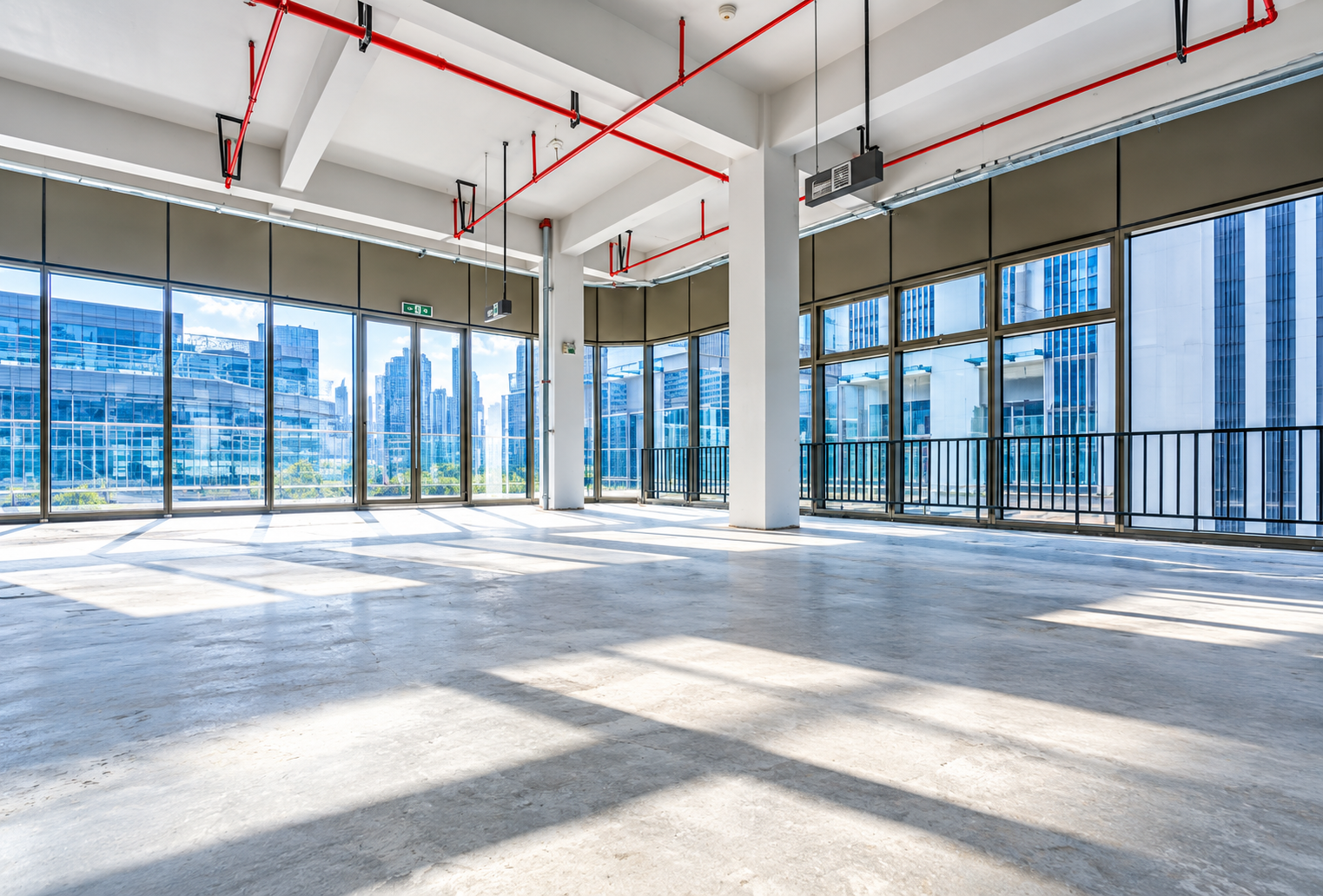
Commercial properties require consistent attention to remain safe, functional and presentable. From office complexes and retail premises to warehouses and hospitality venues, small maintenance issues can quickly affect daily operations if left unresolved. A planned approach to commercial maintenance services helps property owners identify faults early, manage repair costs and provide a safer environment for employees, customers and visitors. In Brisbane, where humidity, heavy rainfall and seasonal storms can place additional pressure on buildings, regular inspections and timely repairs are particularly valuable.
Why Commercial Properties Need Regular Maintenance
A commercial building contains several interconnected systems, including electrical installations, plumbing, ventilation, fire safety equipment, roofing and structural components. A fault in one area can disrupt other parts of the property. For example, a leaking pipe may damage flooring, affect electrical equipment or encourage mould growth if repairs are delayed.
Regular upkeep allows property managers to identify deterioration before it develops into a larger problem. It also helps businesses plan maintenance expenditure instead of dealing with unexpected repair bills.
The benefits extend beyond the physical condition of a building. Well-maintained premises create a better experience for staff and visitors, reduce avoidable interruptions and help businesses meet their responsibilities for workplace safety.
Common Maintenance Problems in Brisbane Buildings
Brisbane’s subtropical climate creates specific challenges for commercial property owners. Heat, moisture, intense rainfall and storms can gradually affect building materials and mechanical systems.
Roof leaks and drainage failures
Blocked gutters, damaged roof coverings and poorly maintained downpipes can allow water to enter a building during heavy rain. Even minor leaks may damage ceilings, insulation, stock and office equipment. Routine roof inspections and drainage cleaning help identify these problems before the next period of severe weather.
Air conditioning and ventilation issues
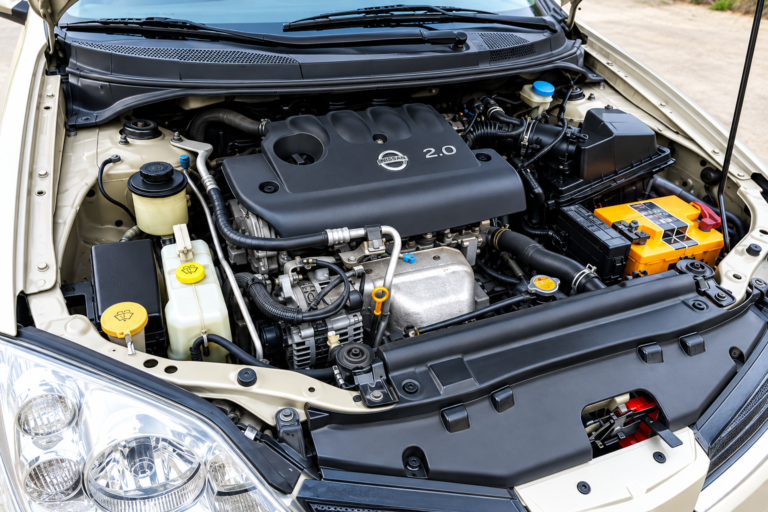
Air conditioning systems work hard during Brisbane’s warmer months. Dirty filters, blocked drains, refrigerant problems and worn components can reduce performance and increase energy consumption. Scheduled servicing helps maintain suitable indoor temperatures and supports good indoor air quality.
Plumbing faults
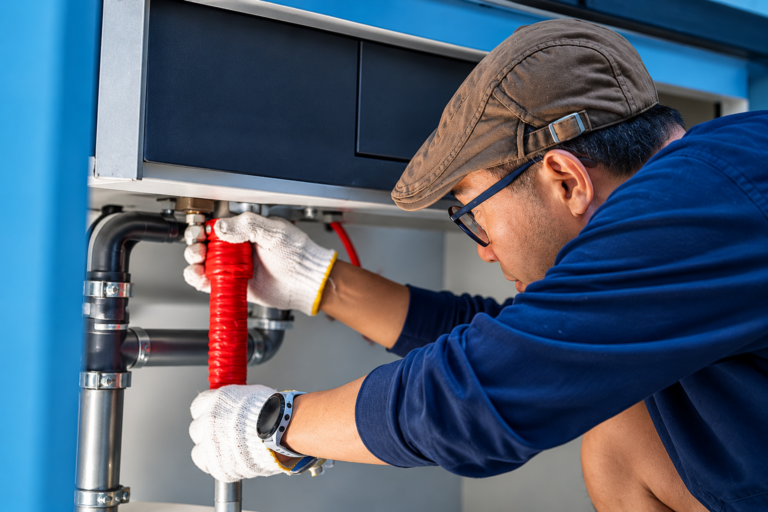
Leaking taps, blocked drains, damaged pipework and faulty toilet fixtures can waste water and interfere with business activities. Commercial kitchens, shopping centres and buildings with high visitor numbers may require more frequent plumbing inspections because their facilities experience heavier use.
Exterior deterioration
Paint failure, damaged sealants, cracked pathways and corrosion can affect both appearance and building integrity. Coastal exposure and persistent moisture may accelerate corrosion in some locations. Prompt repairs help prevent further deterioration and reduce the need for extensive restoration.
What a Commercial Maintenance Plan Should Include
A useful maintenance plan should reflect the building’s age, size, purpose, occupancy and existing condition. A warehouse will have different priorities from a medical practice or a multi-storey office building.
A practical plan generally covers the following areas:
- Building structure and exterior: Inspect roofs, walls, windows, doors, sealants, gutters and accessible external areas for signs of damage.
- Electrical systems: Arrange appropriate inspections and testing by qualified electrical professionals, with attention to visible damage, faulty equipment and safety concerns.
- Heating, ventilation and air conditioning: Follow manufacturer recommendations and servicing schedules for filters, drainage, controls and mechanical components.
- Plumbing and drainage: Check for leaks, blocked drains, water pressure problems and signs of moisture damage.
- Fire protection: Maintain alarms, emergency lighting, extinguishers, sprinkler systems and other relevant equipment in accordance with applicable requirements.
- Common areas and access routes: Check flooring, stairways, handrails, lighting, car parks and pedestrian paths for hazards.
- Documentation: Record inspection findings, completed repairs, outstanding defects and the next scheduled service.
Keeping maintenance records makes it easier to identify recurring problems, demonstrate that inspections have taken place and plan future spending.
Preventive Maintenance Versus Reactive Repairs
Reactive maintenance takes place after a fault has occurred. It may be unavoidable when equipment fails unexpectedly, but relying on it as the main maintenance strategy can create unnecessary disruption.
Preventive maintenance follows planned inspections and servicing intervals. It aims to identify wear, deterioration and developing faults before they cause breakdowns.
Consider a commercial air conditioning unit that receives little attention. A blocked filter or drainage issue may eventually contribute to poor cooling, water leakage or equipment failure during a busy period. Regular servicing can identify these conditions earlier and allow repairs to be scheduled at a convenient time.
Preventive work does not eliminate every breakdown. Equipment can fail without warning, and some defects remain hidden until further investigation. However, a planned programme gives property managers better control over maintenance priorities and reduces dependence on emergency call-outs.
How to Assess Commercial Maintenance Services Brisbane Providers
Choosing a contractor requires more than comparing quotations. Property managers should assess the provider’s experience, technical capabilities, communication practices and ability to work around normal business operations.
When reviewing commercial maintenance services Brisbane businesses offer, consider these factors:
Relevant experience: Ask whether the provider has worked with similar properties, such as offices, retail centres, industrial facilities or hospitality venues.
Licensing and qualifications: Confirm that regulated work will be completed by appropriately licensed and qualified professionals. Electrical, plumbing and fire protection work may have specific licensing, inspection or compliance requirements.
Clear service agreements: Check which tasks are included, how often inspections occur, what constitutes additional work and how urgent repairs are handled.
Response arrangements: Establish how the contractor manages emergencies, after-hours faults and requests that could affect building access or business continuity.
Reporting and communication: Look for clear inspection reports, photographs where useful, itemised quotations and written updates about unresolved defects.
Insurance and safety procedures: Verify relevant insurance coverage and ask how the provider manages site risks, permits, contractor access and work in occupied buildings.
A detailed proposal should explain the scope of work rather than simply promise general upkeep. This makes it easier to compare providers on the quality and frequency of their services.
Managing Maintenance Costs Without Neglecting Essential Work
Maintenance budgets should account for both routine expenditure and larger repairs that may arise over time. A property manager can start by reviewing previous invoices, identifying recurring faults and listing equipment that is approaching the end of its expected service life.
Prioritise issues according to safety, legal obligations, the risk of further damage and the effect on business operations. A suspected electrical hazard or failed fire safety system requires prompt attention. Cosmetic defects may be scheduled later if they present no immediate risk.
Grouping compatible maintenance tasks into a single site visit can reduce travel costs and limit disruption. For example, an inspection may identify several minor plumbing, door hardware and lighting issues that can be addressed during one planned visit, provided the relevant work is performed by qualified personnel.
It is also sensible to maintain a contingency allowance for urgent repairs. Budgets should not assume that every component will last for its full estimated lifespan, particularly where equipment experiences heavy use or harsh environmental conditions.
Commercial Building Maintenance and Legal Responsibilities
Owners, landlords, tenants and property managers may have different responsibilities under leases, contracts and applicable legislation. These arrangements should be reviewed before maintenance duties are assigned.
Commercial building maintenance should account for relevant Queensland building requirements, workplace health and safety duties, fire safety obligations and any applicable inspection or certification schedules. The precise requirements depend on the building’s classification, installed systems and use.
Property managers should maintain evidence of required inspections, arrange repairs within appropriate timeframes and ensure that unsafe areas are managed until hazards are addressed. Specialist advice may be necessary where a defect affects structural safety, fire protection, accessibility or regulated building systems.
A contractor’s maintenance report can support record-keeping, but it does not automatically transfer the owner’s or occupier’s legal responsibilities to that contractor.
Building a Reliable Long-Term Maintenance Routine
A workable maintenance programme begins with a building assessment and a register of assets, known defects and required inspections. From there, property managers can establish service intervals, assign responsibilities and set reminders for upcoming tasks.
Review the programme at least annually and after major renovations, equipment replacements, significant weather events or repeated system failures. Maintenance frequency should change when inspection findings show that a component needs closer attention.
Reliable upkeep gives Brisbane businesses a clearer picture of their property’s condition, helps control avoidable expenses and supports safer daily operations. By planning inspections, addressing defects promptly and choosing qualified contractors, property managers can protect their buildings while making better decisions about long-term repair and replacement costs.