ByJohn A
How to Identify Common Plumbing Problems and When to Call a plumber in Belconnen
Plumbing problems can start with small warning signs, such as a dripping tap, a slow-draining sink or a toilet that takes longer than usual to refill. Left unattended, these issues can waste water, damage fixtures and lead to expensive repairs. Knowing when to investigate a problem and when to contact a plumber in Belconnen residents can rely on helping homeowners protect their property and keep everyday plumbing working properly. A few simple checks, combined with timely professional maintenance, can prevent minor faults from developing into major disruptions.
Common Plumbing Problems in Belconnen Homes
Homes across Belconnen include older properties, newer houses, apartments and townhouses, each with different plumbing requirements. Pipe materials, fixture age, water pressure and previous repair work can all influence the types of faults that occur.
Leaking taps and showerheads are common examples. A worn washer, damaged cartridge or deteriorated seal can allow water to escape even when a fixture is turned off. Although a slow drip might seem insignificant, continuous leakage can waste a considerable amount of water over time.
Toilet faults also deserve attention. A faulty inlet valve or worn flush seal can cause a toilet to run continuously, increasing water consumption without an obvious leak on the floor. Other warning signs include unusual noises in pipes, fluctuating water pressure and damp patches around plumbing connections.
Some problems develop gradually, while others appear suddenly. A pipe joint may begin leaking after years of normal use, whereas a failed flexible hose can release a large volume of water in a short period. Recognising the difference helps residents decide how urgently they need professional assistance.
Warning Signs That Should Not Be Ignored
A plumbing issue rarely improves simply because it is left alone. Certain symptoms indicate that a closer inspection is needed.
Look out for these warning signs:
- Persistent dripping: Water escaping from taps, valves or exposed pipe joints may indicate worn seals or loose connections.
- Slow drainage: Water that pools in a sink, shower or bath may point to an obstruction in the waste pipe.
- Unpleasant odours: Sewer-like smells can indicate a dry floor-waste trap, a drainage fault or a problem with the sewer connection.
- Damp walls or ceilings: Discolouration, bubbling paint and musty smells may suggest concealed moisture.
- Changes in water pressure: A sudden reduction can result from a local plumbing fault, a partially closed valve or a wider supply issue.
- Unusual pipe noises: Banging, whistling or repeated knocking can have several causes, including pressure changes, loose pipework or faulty valves.
The location and timing of a symptom can provide useful clues. For instance, a slow kitchen sink that improves after cleaning the plug and strainer may have a simple obstruction near the opening. Several fixtures draining poorly at once may indicate a larger issue within the drainage system.
Avoid opening walls or dismantling pipework to investigate a suspected hidden leak. A licensed professional can assess the likely source using suitable inspection methods and recommend repairs without unnecessary damage.
What Causes Blocked Drains in Residential Properties?
Drainage systems carry wastewater away from kitchens, bathrooms, laundries and outdoor areas. Their performance depends on clear pipes, functioning traps and suitable gradients that allow wastewater to flow towards the sewer or an approved collection point.
The causes of blockages vary according to the location of the drain.
Kitchen sinks often collect cooking grease, food scraps and soap residue. Grease can cool and stick to the inside of pipes, gradually trapping other materials until the opening becomes restricted. Pouring cooking oil down the sink can contribute to this buildup, even if hot water initially appears to wash it away.
Bathroom drains commonly collect hair, soap residue and personal care products. These materials can form dense clumps around drain covers and pipe bends. Toilets may become blocked by excessive toilet paper or items that should not be flushed, including wet wipes labelled as flushable.
Outdoor drainage presents different challenges. Leaves, soil and other garden debris can accumulate around grates, while tree roots may enter damaged or poorly sealed underground pipes. Heavy rainfall can also expose existing drainage weaknesses by increasing the volume of water entering the system.
Residents dealing with blocked drains belconnen properties should pay attention to recurring symptoms rather than relying on repeated temporary fixes. A blockage that returns soon after clearing may be caused by deeper deposits, damaged pipework or root intrusion. Finding the underlying cause is often more effective than treating the same symptom repeatedly.
Practical Steps to Reduce the Risk of Plumbing Damage
Routine habits can reduce the likelihood of many common plumbing faults. Most preventive measures require little equipment and can be incorporated into normal household cleaning.
Keep kitchen waste out of the pipes
Scrape food scraps into the rubbish or compost before washing dishes. Collect cooking oil and cooled grease in a suitable container rather than tipping them into the sink. A removable sink strainer can catch larger particles before they enter the waste pipe.
Maintain bathroom drains
Remove visible hair and debris from shower and bath drain covers regularly. Clean accessible strainers according to the manufacturer’s instructions, and avoid pushing objects deep into the pipe.
Chemical drain cleaners are not suitable for every plumbing system. Some products can damage particular materials, create hazardous splashes or complicate later repairs. Never mix different cleaning chemicals, particularly products containing bleach and acids.
Inspect visible plumbing
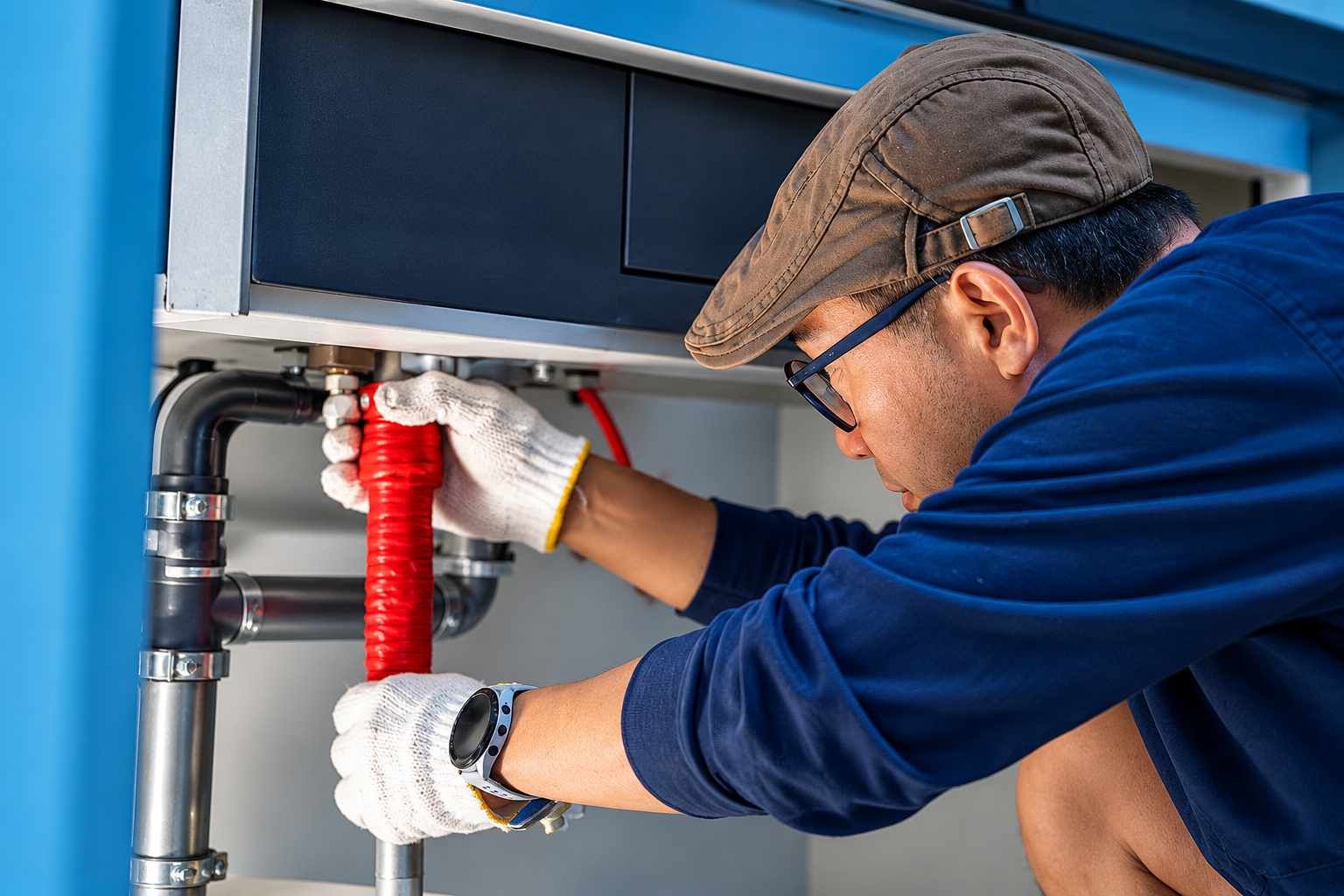
Check under kitchen and bathroom sinks for dampness, corrosion, loose connections or swollen cabinet panels. Inspect washing machine hoses and exposed flexible connectors for cracking, bulging and deterioration. Replace damaged components promptly using an appropriate method.
Know where the water supply can be shut off
Find the property’s main water isolation valve and make sure household members know where it is located. If a pipe bursts or a hose fails, shutting off the supply can limit water damage while assistance is arranged.
Apartment residents should also understand which valves serve their individual unit and which systems are managed by the building’s owners corporation or strata arrangements.
When to Call a Licensed Plumber
Some minor maintenance tasks are suitable for homeowners, but work involving water supply pipework, concealed leaks, hot-water systems or complex drainage faults may require professional assessment. Australian plumbing work is regulated, and licensing requirements apply in the ACT.
Contact a licensed professional if a leak continues after an appropriate isolation step, multiple fixtures drain slowly, wastewater backs up into the property or water pressure changes without a clear explanation. A persistent sewage smell or dampness without an obvious source also warrants investigation.
For urgent leaks, isolate the water supply if it is safe to do so. Keep people away from water near electrical equipment, and do not touch wet electrical switches or appliances. If flooding presents an electrical hazard, seek appropriate emergency assistance.
A qualified plumber belconnen homeowners engage should be able to explain the suspected fault, outline the proposed repair and provide a clear estimate of costs before work begins. Ask whether the quote includes labour, parts, access requirements and any additional charges that could apply if the initial inspection reveals further damage.
For drainage problems, ask how the cause will be identified. Depending on the situation, a plumber may use mechanical drain-clearing equipment or a drain camera to inspect the pipe’s condition. The appropriate method depends on the blockage, pipe material and accessibility.
Understanding Plumbing Costs Before Work Begins
The price of a plumbing repair depends on more than the time spent at the property. The location of the fault, the parts required, the complexity of access and the urgency of the call can all affect the final bill.
Replacing an accessible tap component is generally less involved than locating a leak inside a wall or repairing a damaged underground drain. Emergency call-outs may also cost more than appointments scheduled during standard business hours.
Before approving work, ask for an itemised estimate and clarify whether the inspection fee is separate from the repair cost. If several repair options are available, request an explanation of the advantages and limitations of each option.
The cheapest immediate repair is not always the least expensive choice over time. For example, repeatedly clearing a drain without investigating a recurring obstruction may lead to further call-outs. A repair that addresses the actual cause can reduce repeat problems and help protect the surrounding property.
Keep invoices and records of previous plumbing work, particularly for concealed pipes, hot-water units and drainage repairs. These documents can help a future tradesperson understand the property’s plumbing history and identify patterns that might otherwise be missed.
Protecting Your Property Through Early Action
Good plumbing maintenance depends on noticing changes, preventing avoidable blockages and arranging repairs before damage spreads. Regular checks of taps, toilets, visible pipework and drainage points can reveal developing faults while they are still manageable.
Homeowners should also pay attention to recurring symptoms, since repeated leaks, slow drains and unexplained moisture may signal a problem beyond the fixture itself. Professional assessment is particularly valuable when the cause is hidden or several plumbing outlets are affected at once.
By combining sensible household habits with timely assistance from a qualified local tradesperson, Belconnen residents can reduce water waste, limit property damage and keep their plumbing systems operating reliably.