ByJohn A
Water Damage Repair in Magnolia TX: How to Handle Burst Pipes
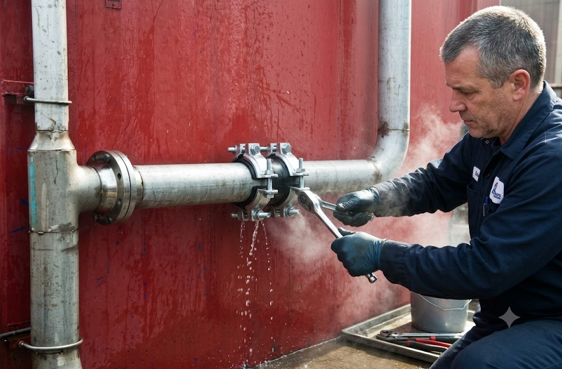
A burst pipe can release a large amount of water in a short time, damaging floors, walls, ceilings, furniture, and personal belongings. Even a small leak behind a wall can cause trouble if it goes unnoticed for hours. Homeowners need to act quickly to limit the damage and prevent moisture from spreading into hidden areas. Water damage repair in Magnolia TX often involves stopping the water supply, removing standing water, drying affected materials, and checking for signs of mold. With guidance from Best Option Restoration, homeowners can better understand the steps involved in dealing with burst pipes and restoring their property after an unexpected plumbing problem.
What Causes Pipes to Burst in a Home?
Burst pipes can happen for several reasons. Some problems develop over time, while others occur suddenly and require immediate attention.
Common causes include:
- Freezing temperatures: Water expands as it freezes, putting pressure on pipes and sometimes causing them to crack.
- High water pressure: Excessive pressure can weaken pipes, joints, and connections.
- Corrosion: Older metal pipes may deteriorate over time, making them more likely to leak or break.
- Worn pipe fittings: Loose connections and damaged seals can allow water to escape.
- Physical damage: Accidental impacts during home repairs or renovations can damage plumbing lines.
Pipes located in garages, crawl spaces, exterior walls, and other poorly insulated areas may face a higher risk during cold weather. Regular plumbing inspections can help identify weak spots before they lead to a major leak.
See also: How a Nissan Aircon Compressor Works and What Drivers Should Know About Its Maintenance
What to Do Immediately After a Pipe Bursts
The first few minutes after discovering a burst pipe can make a difference in how much damage your home sustains. Acting calmly and following a clear process helps protect people and property.
1. Shut Off the Water Supply
Locate your home’s main water shutoff valve and turn it off as soon as it is safe to do so. This prevents more water from entering the damaged pipe and spreading through the property.
If you cannot locate the valve or it will not close, contact a plumber for assistance. Avoid attempting repairs while water continues to flow through the damaged line.
2. Switch Off Electricity if Necessary
Water and electricity create a serious safety hazard. If water has reached outlets, electrical appliances, wiring, or the breaker panel, stay away from the affected area.
Do not walk through standing water to reach an electrical switch. Contact a qualified electrician or emergency service provider if there is a risk of electrical contact. Safety should come before any attempt to save furniture or belongings.
3. Move Valuable Belongings
Once the area is safe to enter, move furniture, electronics, important documents, and other valuables away from the water. Place smaller items in a dry location and separate wet belongings to make them easier to assess.
If furniture cannot be moved, use protective barriers where practical to reduce further contact with moisture. Take photographs and videos of the damage before moving items, as these records may help with an insurance claim.
4. Contact a Plumber and Restoration Professional
A plumber can locate the damaged pipe and carry out the necessary repairs. A water restoration professional can address the water that has already entered floors, walls, ceilings, and other building materials.
Best Option Restoration can be considered when assessing the restoration work needed after water damage. Arranging professional help early can reduce the risk of hidden moisture causing additional problems.
How Water Damage Spreads Beyond the Leak
Water rarely stays in the area where a pipe breaks. It can travel beneath flooring, soak into drywall, move through insulation, and collect inside cabinets or wall cavities.Wooden floors may swell or warp, while carpets and padding can hold moisture long after the visible water has been removed. Ceiling leaks can also affect the rooms below, sometimes causing paint to bubble or plaster to weaken.These problems explain why water damage repair in Magnolia TX should involve more than wiping up puddles. A proper assessment helps determine how far the water has travelled and which materials can be dried or need replacement.
Signs of hidden water damage include:
- Musty smells that remain after cleaning.
- Discoloration on walls or ceilings.
- Peeling paint or bubbling wallpaper.
- Swollen baseboards and warped flooring.
- Damp patches that return after the surface appears dry.
Finding these warning signs early can help prevent a small plumbing emergency from turning into a larger repair project.
The Main Steps in Professional Water Damage Restoration
Restoring a water-damaged property usually involves several stages. The exact process depends on the amount of water, the materials affected, and how long the leak continued.
Water Removal
The first stage involves removing standing water from floors, carpets, and other affected areas. Depending on the situation, professionals may use extraction equipment and pumps to remove water more efficiently than ordinary household tools.Removing excess water quickly limits the time building materials remain saturated. It also makes it easier to assess the full extent of the damage.
Drying and Dehumidification
After extraction, air movers and commercial dehumidifiers help remove moisture from the property. Professionals may also use moisture meters to check whether walls, flooring, and other materials are drying properly. Opening windows alone may not be enough, particularly when humidity is high or moisture has entered enclosed spaces. Proper drying helps reduce the conditions that allow mold to grow.
Cleaning and Sanitizing
Water from a burst pipe is not always clean. Although a supply-line leak may involve relatively clean water, contact with dirty surfaces, sewage, or other contaminants can change the situation.Affected areas and salvageable belongings may require appropriate cleaning and sanitizing. Materials that cannot be cleaned safely may need to be removed and replaced.
Repairs and Replacement
Once the area has been dried and assessed, damaged building materials can be repaired or replaced. This may include drywall, insulation, flooring, trim, cabinetry, or sections of ceiling. The goal is to restore the affected areas while addressing the original moisture problem. Painting over a damp wall or covering a damaged floor without proper drying can allow problems to continue behind the finished surface.
Why Mold Prevention Matters After a Burst Pipe
Mold can begin growing when moisture remains on suitable surfaces, sometimes within 24 to 48 hours under favorable conditions. The exact timing depends on temperature, humidity, materials, and other environmental factors. A quick response helps reduce the chance of mold developing, but visible drying does not always mean a space is completely dry. Moisture can remain trapped behind baseboards, under flooring, and inside wall cavities.
To reduce the risk:
- Remove standing water as soon as it is safe.
- Arrange thorough drying of affected materials.
- Check hidden areas for lingering moisture.
- Replace materials that cannot be dried or cleaned properly.
- Address musty odors and recurring damp patches promptly.
If mold is already visible or the affected area is extensive, seek professional advice about safe assessment and remediation. Avoid disturbing large areas of mold, particularly if anyone in the household has respiratory sensitivities.
Understanding Repair Costs and Insurance Claims
The cost of restoring a property depends on the source of the leak, the amount of water released, the affected materials, and the time required for drying and repairs. A small leak caught early may need limited work, while a burst pipe that floods several rooms can require extensive restoration. Homeowners should review their insurance policy to understand what is covered. Sudden and accidental water damage may be covered under some policies, but exclusions and conditions vary. Gradual leaks, neglected maintenance, and certain types of water intrusion may be treated differently.
Before repairs begin, homeowners should:
- Photograph damaged rooms, belongings, and visible leaks.
- Keep receipts for emergency expenses and temporary repairs.
- Contact their insurer promptly to report the incident.
- Ask whether an inspection or approval is required before major work.
- Keep copies of estimates, invoices, and restoration records.
Do not delay urgent steps needed to protect the property while waiting for an insurance decision. Keep records of the actions taken and follow the insurer’s instructions where possible.
How to Reduce the Risk of Future Pipe Damage
Preventive maintenance can help homeowners avoid some burst-pipe emergencies. While not every plumbing failure can be predicted, a few practical habits can lower the risk. Insulate exposed pipes in vulnerable areas, especially before cold weather arrives. Check under sinks, around water heaters, and near washing machines for signs of leaks or corrosion. Repair dripping connections promptly instead of allowing the problem to continue.
It is also helpful to know where the main water shutoff valve is located and make sure household members know how to use it. If you plan to leave home during a cold spell, maintain appropriate indoor temperatures and consider having vulnerable plumbing checked. For older properties, a plumber can inspect aging pipes and recommend repairs or replacements before a serious failure occurs.
Get Help After a Burst Pipe
A burst pipe can disrupt daily life and cause damage that extends far beyond the original leak. Fast action, safe water removal, thorough drying, and suitable repairs can help protect your property from further problems. For homeowners dealing with water damage repair in Magnolia TX, understanding the restoration process makes it easier to take the right steps after an emergency. Best Option Restoration is a name to consider when evaluating restoration support for a water-damaged property. Contact us today to discuss your water damage concerns, arrange an assessment, and learn about the next steps for restoring your home after a burst pipe.